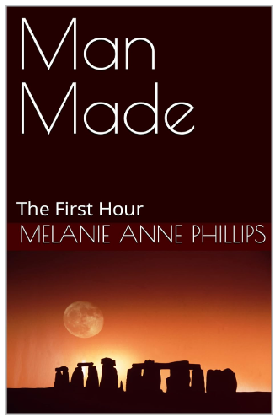
Read the Science Fiction Thriller
From the founder of Storymind
Man Made follows a mysterious force as it sweeps around the globe erasing anything man made - from buildings, vehicles, and technology to medicines, clothing, and dental work.
Governments stagger under the panic, religions are at a loss for an explanation, scientists strive for any means to stop or divert the phenomenon, and the world’s population from families to individuals struggle to prepare for The Event, which will drive humanity back beyond the stone age.
The Event is coming.
Are you prepared?


A common misconception is that Plot is the order of events in a story. In fact, the order in which events are unfolded for the reader or audience can be quite different from the order in which they happen to the characters.
Plot, then, is really that internal progression of events, while the reader/audience order is more precisely referred to as Exposition.
For an author, it is important to separate the two. Otherwise it is too easy to overlook a missing step in the logical progression of the story because the steps were put out of order in Exposition.
On the other hand, trying to separate the internal logic of the story from the Exposition order really inhibits the creative muse. When working out a story, many authors like to envision the finished work including the Exposition. This gives the best impression of how the story will feel to the audience.
So the key is to first create your plot as it will appear in the finished story. Once you have a handle on it, that is the time to put the plot in Character Order to see if there are any missing pieces.
If there are, fill in the logical gaps, then "re-assemble" the plot back into the order in which you wanted to unfold it for the audience, making sure to add the new gap-filling plot pieces into your exposition as well.
Using this system, you will ensure that everything that happens in your story is not only interestingly revealed, but also makes an unbroken chain of sense.