Read the Science Fiction Thriller
From the founder of Storymind
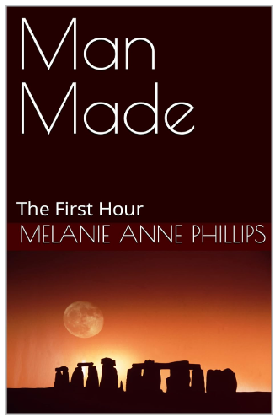
Man Made follows a mysterious force as it sweeps around the globe erasing anything man made - from buildings, vehicles, and technology to medicines, clothing, and dental work.
Governments stagger under the panic, religions are at a loss for an explanation, scientists strive for any means to stop or divert the phenomenon, and the world’s population from families to individuals struggle to prepare for The Event, which will drive humanity back beyond the stone age.
The Event is coming.
Are you prepared?

There are twelve structural questions that have such great impact on the direction and meaning of a story that answering them is essential, either before you write or absolutely before you lock off your final revision.
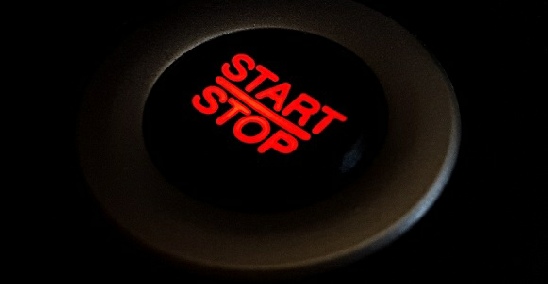
The second of these is called Main Character Growth, and it is a structural choice between characters who grow by beginning new behavior (start) or by ending old behavior (stop).
Over the course of your story, the Main Character will either grow out of something or grow into something. Authors show their audiences how to view this development of a Main Character by indicating the direction of Growth by the Main Character.
If the story concerns a Main Character who Changes, he will come to believe he is the cause of his own problems (that's why he eventually changes). If he grows out of an old attitude or approach (e.g. loses the chip on his shoulder), then he is a Stop character. If he grows into a new way of being (e.g. fills a hole in his heart), then he is a Start character.
If the story concerns a Main Character who Remains Steadfast, something in the world around him will appear to be the cause of his troubles. If he tries to hold out long enough for something to stop bothering him, then he is a Stop character. If he tries to hold out long enough for something to begin, then he is a Start character. If you want the emphasis in your story to be on the source of the troubles which has to stop, choose "Stop."
If you want to emphasize that the remedy to the problems has to begin, choose "Start."
Whether a Main Character eventually changes his nature or remains steadfast, he will still grow over the course of the story. This growth has a direction. Either he will grow into something (Start) or grow out of something (Stop).
As an example we can look to Scrooge from Charles Dickens' A Christmas Carol. Does Scrooge need to change because he is excessively miserly (Stop), or because he lacks generosity (Start)? In the Dickens' story it is clear that Scrooge's problems stem from his passive lack of compassion, not from his active greed. It is not that he is on the attack, but that he does not actively seek to help others. So, according to the way Charles Dickens told the story, Scrooge needs to Start being generous, rather than Stop being miserly.
A Change Main Character grows by adding a characteristic he lacks (Start) or by dropping a characteristic he already has (Stop). Either way, his make up is changed in nature.
A Steadfast Main Character's make up, in contrast, does not change in nature. He grows in his resolve to remain unchanged. He can grow by holding out against something that is increasingly bad while waiting for it to Stop. He can also grow by holding out for something in his environment to Start. Either way, the change appears somewhere in his environment instead of in him.
Main Growth
Start or Stop?