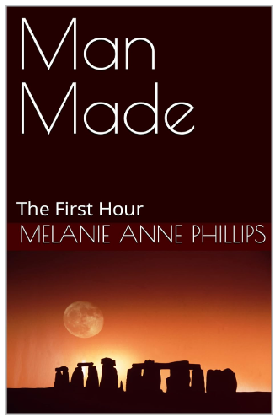
Read the Science Fiction Thriller
From the founder of Storymind
Man Made follows a mysterious force as it sweeps around the globe erasing anything man made - from buildings, vehicles, and technology to medicines, clothing, and dental work.
Governments stagger under the panic, religions are at a loss for an explanation, scientists strive for any means to stop or divert the phenomenon, and the world’s population from families to individuals struggle to prepare for The Event, which will drive humanity back beyond the stone age.
The Event is coming.
Are you prepared?


There are twelve structural questions that have such great impact on the direction and meaning of a story that answering them is essential, either before you write or absolutely before you lock off your final revision.
The first of these is called Main Character Resolve, and it is a structural choice between characters who grow by changing and characters who don’t change, remaining steadfast by growing in their resolve.
Some Main Characters grow to the point of changing their nature or attitude regarding a central personal issue like Scrooge in A Christmas Carol. Others grow in their resolve, holding onto their nature or attitude against all obstacles like Dr. Richard Kimble in The Fugitive.
Change can be good if the character is on the wrong track to begin with. It can also be bad if the character was on the right track and, in the end, chooses to step off it. Similarly, remaining Steadfast is good if the character is on the right track, but bad if he is misguided or mistaken.
Think about the message you want to send to your audience, and whether the Main Character's path should represent the proper or improper way of dealing with the story's central issue. Then select a changing or steadfast Main Character accordingly.
Do you want your story to bring your audience to a point of change or to reinforce its current view? Oddly enough, choosing a steadfast Main Character may bring an audience to change and choosing a change character may influence the audience to remain steadfast. Why? It depends upon whether or not your audience shares the Main Character's point of view to begin with.
Suppose your audience and your Main Character do NOT agree in attitudes about the central issue of the story. Even so, the audience will still identify with the Main Character because he represents the audience's position in the story. So, if the Main Character grows in resolve to remain steadfast and succeeds, then the message to your audience is, "Change and adopt the Main Character's view if you wish to succeed in similar situations."
Clearly, since either change or steadfast can lead to either success or failure in a story, when you factor in where the audience stands a great number of different kinds of audience impact can be created by your choice. In answering this question, therefore, consider not only what you want your Main Character to do as an individual, but also how that influences your story's message and where your audience stands in regard to that issue to begin with.
Main Character Resolve
Change or Steadfast?