|
|
Software |
StoryWeaver
$29.95

A step by
step approach to story development, from concept to completed story for
your novel or screenplay. More than 200 interactive Story Cards guide
you through the entire process.
Details
and Demo
Dramatica
$149.95

The most
powerful story structuring software available, Dramatica is driven by a
patented "Story Engine" that cross-references your dramatic
choices to ensure a perfect structure.
Details
and Demo
Movie
Magic Screenwriter
$149.95

The most
advanced screenwriting software available, Movie Magic is deemed a
"preferred file format" by the Writer's Guild. An industry
standard, MMS is used by professionals and studios around the world.
Details
and Demo
Throughline
Index Cards
$9.95
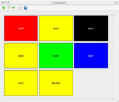
Interactive
index cards - Name them, add notes, titles, colors, click and drag to
re-arrange, adjust font, save, export and print. An essential tool for
every writer.
Details
Academic
Discounts
on Select Products

Are you a
student, teacher, or academic staffer? Get the very best price on select
products with these manufacturer sponsored academic discounts!
Details

|
| |
Dramatica Weekend Workshop
Syllabus
2 Character
Hero is a four letter word
* Video Clip: Familiar central
characters/”heroes”
• Protagonist -- the prime mover in the objective story throughline
• Main Character -- the character through which the audience experiences the story
* Video Clip: Examples of characters from To Kill A Mockingbird.
• Main Character: Scout
• Protagonist: Atticus
• Antagonist: Bob Ewell
• Obstacle Character: Boo Radley
• Role of Narrator (v. Main Character): Author’s commentary
• Objective Characters vs. Subjective Characters: Central to
Dramatica’s theory of character are the notions of objective and subjective
characters. An objective character is defined as a specific collection of dramatic
characteristics that remain consistent throughout the story. Objective characters fulfill
dramatic functions in stories and subjective characters invite audience points of view.
Dramatica divides objective characters into two basic types: archetypal and complex.
Subjective characters represent internal conflict played out by the main character and
obstacle character. The objective characters present the story to the audience and the
subjective characters allow the audience to participate in the story.
Archetypal Characters: Motivations
• Eight
Archetypes: In Dramatica, there are eight archetypal characters: Protagonist,
Antagonist, Guardian, Contagonist (a term unique to Dramatica), Reason, Emotion, Sidekick,
and SkepticIn Dramatica, there are eight archetypal characters: Protagonist,
Antagonist, Guardian, Contagonist (a term unique to Dramatica), Reason, Emotion, Sidekick,
and Skeptic.
Archetype
|
Star Wars
|
Wizard of Oz
|
Protagonist
|
Luke
|
Dorothy
|
Antagonist
|
Empire
|
Wicked Witch
|
Reason
|
Leia
|
Scarecrow
|
Emotion
|
Chewbacca
|
Tinman
|
Sidekick
|
R2D2 & C3P0
|
Toto
|
Skeptic
|
Han Solo
|
Cowardly Lion
|
Guardian
|
Obi Wan
|
Glinda
|
Contagonist
|
Darth Vader
|
Wizard of Oz
|
• Sixteen Motivation Elements: Each of the eight archetypal character contains
an action characteristic and a decision characteristic. These sixteen characteristics,
termed motivation elements, describe what actuates the archetypal characters to achieve or
prevent the achievement of the story goal. The goal is not necessarily an object; rather,
it can be many other concerns such as a state of mind, degree of knowledge, or a certain
feeling.
Motivation Elements in Star Wars
Archetype |
Character |
Action |
Decision |
| Protagonist |
Luke |
Pursue |
Consider |
| Antagonist |
Empire |
Avoid (Prevent) |
Reconsider |
| Reason |
Leia |
Control |
Logic |
| Emotion |
Chewbacca |
Uncontrolled |
Feeling |
| Sidekick |
R2D2 & C3P0 |
Support |
Faith |
| Skeptic |
Han Solo |
Oppose |
Disbelief |
| Guardian |
Obi Wan |
Help |
Conscience |
| Contagonist |
Darth Vader |
Hinder |
Temptation |
* Video Clips: Archetypal characters in Star Wars:
protagonist, sidekick, skeptic, guardian, reason, emotion, contagonist, antagonist.
Motivation Elements in The Wizard of Oz
Archetype |
Character |
Action |
Decision |
| Protagonist |
Dorothy |
Pursue |
Consider |
| Antagonist |
Wicked Witch * |
Avoid (Prevent)
Hinder |
|
| Reason |
Scarecrow* |
Uncontrolled |
Logic |
| Emotion |
Tinman* |
Control |
Feeling |
| Sidekick |
Toto |
Support |
Faith |
| Skeptic |
Cowardly Lion |
Oppose |
Disbelief |
| Guardian |
Glinda |
Help |
Conscience |
| Contagonist |
Wizard of Oz* |
|
Reconsider
Temptation |
* Video Clips: Archetypal and non-archetypal characters in The
Wizard of Oz: protagonist, sidekick, skeptic, guardian, reason, emotion, contagonist,
antagonist.
Character Dimensions
• Four Dimensional characters: Motivation, one
of four dimensions necessary to flesh out a character, drives characters to achieve their
goal. Characters also aspire to different purposes, exercise different methodologies
in the effort to achieve those purposes, and use different means of evaluation
to determine the effectiveness of their efforts. Fully realized characters are
four-dimensional and possess an action and decision element in each dimension
Table: The Four Dimensions of Archetypal Characters
| |
Motivations
|
Methodologies
|
Means of
Evaluation |
Purposes
|
Protagonist |
Consider
Pursuit |
Certainty
Proaction |
Proven
Effect |
Knowledge
Actuality |
Antagonist |
Reconsider
Avoid |
Potentiality
Reaction |
Unproven
Cause |
Thought
Perception |
Emotion |
Feeling
Uncontrolled |
Possibility
Protection |
Hunch
Test |
Desire
Self-Aware |
Reason |
Logic
Control |
Probability
Inaction |
Theory
Trust |
Ability
Aware |
Skeptic |
Disbelief
Oppose |
Induction
Non-Acceptance |
Non-Accurate
Process |
Chaos
Change |
Sidekick |
Faith
Support |
Deduction
Acceptance |
Accurate
Result |
Order
Inertia |
Guardian |
Conscience
Help |
Reduction
Evaluation |
Expectation
Ending |
Equity
Projection |
Contagonist |
Temptation
Hinder |
Production
Re-evaluation |
Determination
Unending |
Inequity
Speculation |
Complex Characters
• Complex Characters: Complex characters
contain one or more problem-solving elements in a non-archetypal arrangement.
• Characters Vs. Players: In the Dramatica theory, a character
represents the elements and how the elements function. The player is a vessel into which a
character (and therefore a set of character elements) is placed.
• Two Objective Characters in the same player: To avoid confusion, a player
should never contain two or more characters at one time, unless an author wants to create
a character like Sybil or Dr. Jekyll and Mr. Hyde. If more than one character inhabits a
single player, the player will appear to have multiple personalities.
Subjective Characters
• Main Character Vs. Obstacle Character
• The Main Character: The main character is the central character of the
subjective storyline who allows the audience to experience the story emotionally and who
also holds the key to resolving both the objective and subjective story problems.
• The Obstacle Character: The obstacle character is the subjective
character who blocks the main character’s path and forces the main character to
address personal problems.
* Video Clips: Main and Obstacle Character montage, “You and I are just
alike.”
• Alternative Paradigms: To completely explore the issue at the heart of a
story, an obstacle character must present an alternative approach to that pursued by the
main character. The obstacle character throughline is the advocate of this alternative
paradigm and the manner in which its impact on the main character develops.
* Video Clips: Examples of Obstacle Characters: The Ghosts in A Christmas
Carol, Hannibal Lecter in The Silence of the Lambs, Belloch in Indiana Jones
Subjective Story #1 from Raiders of the Lost Ark, Sala (et al) in Indiana Jones
Subjective Story #2 from same.
Back to the Dramatica Weekend Workshop
Table of Contents
[dramatica/dramatica_footer.htm]
| |
|